

Most people pick a dog based on looks. Then reality hits, and they’re three weeks in with a dog that won’t sit, pulls like a freight train, and treats the living room couch like a chew toy. Sound familiar?
Here’s the truth: breed matters. A lot. Some dogs are practically wired to work with you. Others are wired to work around you. Knowing the difference before you bring a dog home can save you months of frustration and a few throw pillows.
In this guide, we cover:
- What actually makes a dog easy to train
- The 10 most trainable breeds and what sets them apart
- Which breeds suit first-time owners vs. experienced handlers
- Common training mistakes that make even easy breeds difficult
- When professional dog training services make all the difference
If you’re in South Florida and already have a dog that’s testing your patience, the certified trainers at Shultz K9 have seen it all. Whether your dog is a natural listener or a professional escape artist, we know exactly how to get results.
TL;DR: Quick Comparison of 10 Easy-to-Train Dog Breeds
| Breed | Best For | Energy Level | Trainability |
|---|---|---|---|
| Border Collie | Experienced owners | Very High | ★★★★★ |
| German Shepherd | Experienced/families | High | ★★★★★ |
| Poodle | All owners | Moderate | ★★★★★ |
| Golden Retriever | First-timers/families | Moderate | ★★★★☆ |
| Labrador Retriever | All owners | High | ★★★★☆ |
| Australian Shepherd | Active/experienced | Very High | ★★★★☆ |
| Doberman Pinscher | Experienced owners | High | ★★★★☆ |
| Shetland Sheepdog | Families/first-timers | Moderate | ★★★★☆ |
| Australian Cattle Dog | Experienced owners | Very High | ★★★★☆ |
| Papillon | All owners | Moderate | ★★★★☆ |
What Makes a Dog Easy to Train?
Before picking a breed, it helps to understand why some dogs are easier to work with than others. It’s not just about intelligence. A dog can be brilliant and still be a nightmare to train.
The real answer comes down to a combination of factors working together:
| Factor | What It Means |
|---|---|
| Eagerness to please | Dog is motivated by your approval, not just self-interest |
| Food or toy drive | High motivation = faster learning and stronger focus |
| Temperament | Calm, stable dogs absorb training better than anxious or reactive ones |
| Breed history | Dogs bred to work with humans (herding, retrieving) tend to be more responsive |
| Attention span | The longer a dog can focus, the more ground you cover per session |
| Distractibility | A dog that tunes out its environment learns faster in real-world situations |
Breed accounts for far less than most people assume. A 2022 study measuring “biddability” found that even famously obedient breeds like Border Collies aren’t always easier to train at the individual level. There will always be outliers.
That said, certain breeds consistently stack these factors in your favor. Herding and sporting breeds especially tend to be wired for human direction.
Pro tip: If a dog is food-motivated, high-value treats produce a dopamine response that helps them remember which actions earn rewards, turning commands into deeply ingrained habits over time.
Age and health matter too. A dog with physical or mental health challenges, whether an injury, illness, or anxiety, will struggle to retain training until those underlying issues are addressed. Always factor that in before assuming a dog is simply “stubborn.”
If you’re not sure where your dog falls on this spectrum, the team at Shultz K9 can assess your dog’s drives, temperament, and learning style before recommending the right training approach.
The 10 Most Trainable Breeds
Not every dog on this list will suit every owner. Some of these breeds are ideal for first-timers. Others need someone with real experience and serious commitment. We’ll call that out clearly for each one.
1. Border Collie
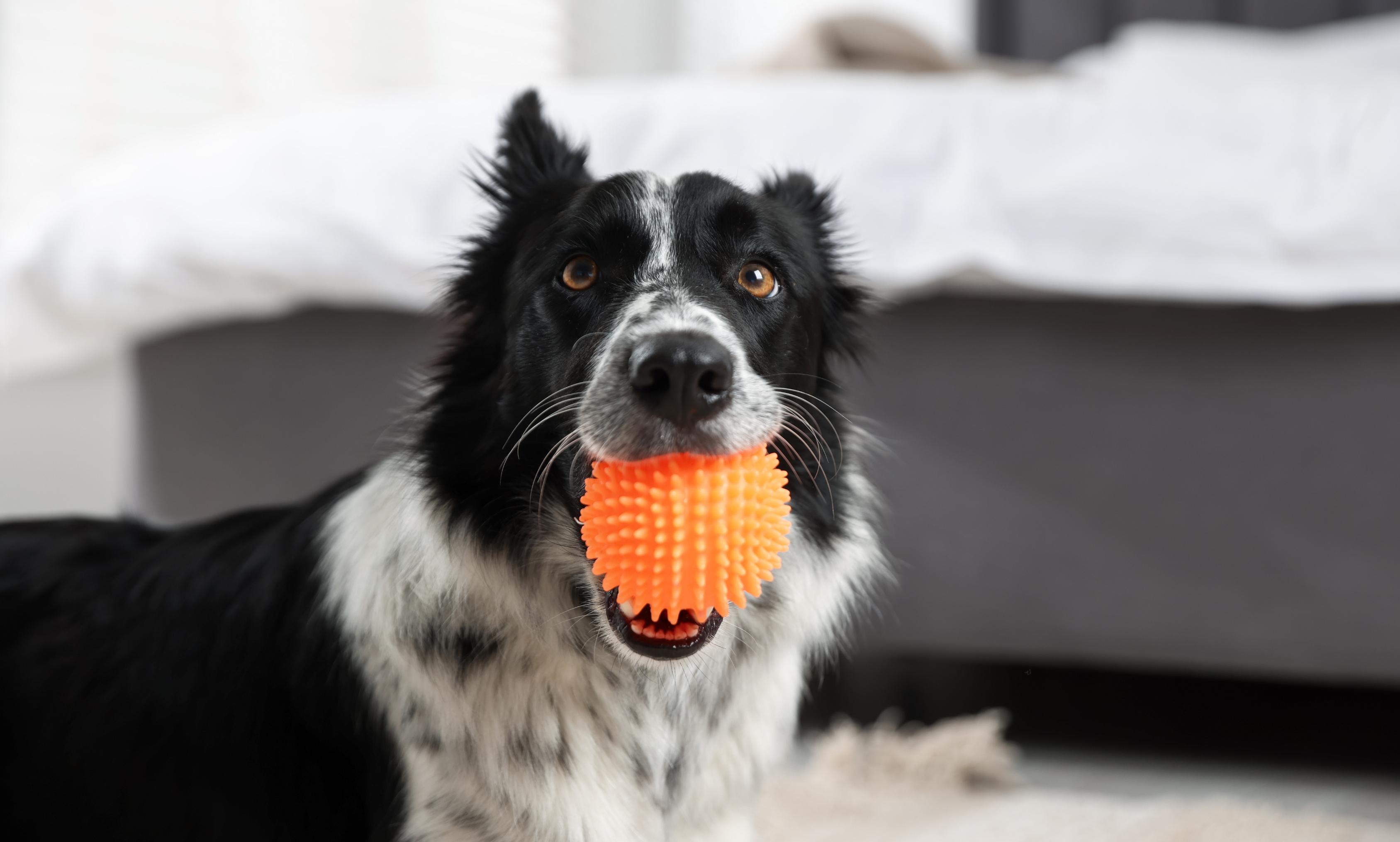
The Border Collie is widely considered the most intelligent dog in the dog world, and it earns that title every single day. Originally bred for herding livestock across rugged terrain, this herding breed has an almost supernatural ability to read human body language and anticipate commands before you even give them.
They are exceptionally fast learners. Basic commands? Picked up in a few repetitions. Complex sequences for agility training or competitive obedience trials? They thrive on it.
What sets them apart:
- Unmatched problem-solving ability
- Intense focus and drive to work
- Excels at dog sports, agility courses, and advanced obedience training
- Highly sensitive to tone and body language
The catch: Border Collies need a job. Without consistent physical and mental stimulation, they get destructive fast. This is not a breed you leave home alone with nothing to do.
Best for: Experienced handlers, active families, working dog enthusiasts.
2. German Shepherd
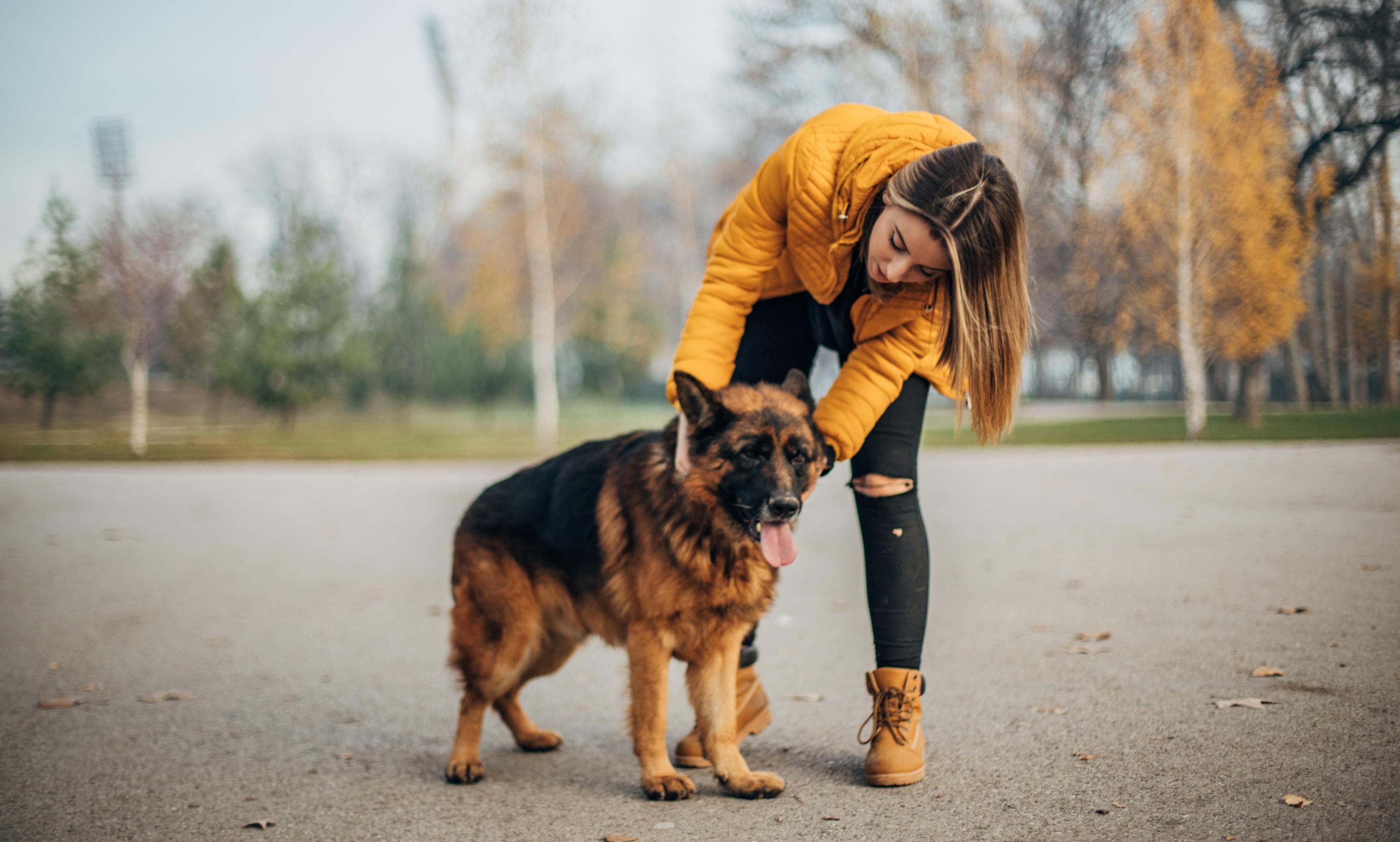
The German shepherd is arguably the most versatile working dog ever developed. Police K9 units, military operations, search and rescue, service dogs, protection work; there is almost nothing this breed can’t do with proper guidance.
What makes the German Shepherd stand out isn’t just raw intelligence. It’s the combination of loyalty, courage, work ethic, and an almost laser-focused bond with its handler. They respond beautifully to consistent training rooted in structure and clear communication.
What sets them apart:
- Extremely versatile across dozens of working roles
- Naturally protective with proper early socialization
- Picks up basic obedience and advanced commands with equal speed
- Bonds deeply with their handler
The catch: German Shepherds need firm, confident leadership. An inexperienced owner who lets the dog take the lead early on will have a much harder time correcting the dynamic later.
Best for: Experienced owners, families wanting both a companion and a protection dog.
If you’re considering a German Shepherd for personal protection, Shultz K9’s protection dog training program builds on the breed’s natural instincts with structured, real-world development.
3. Poodle (All Sizes)
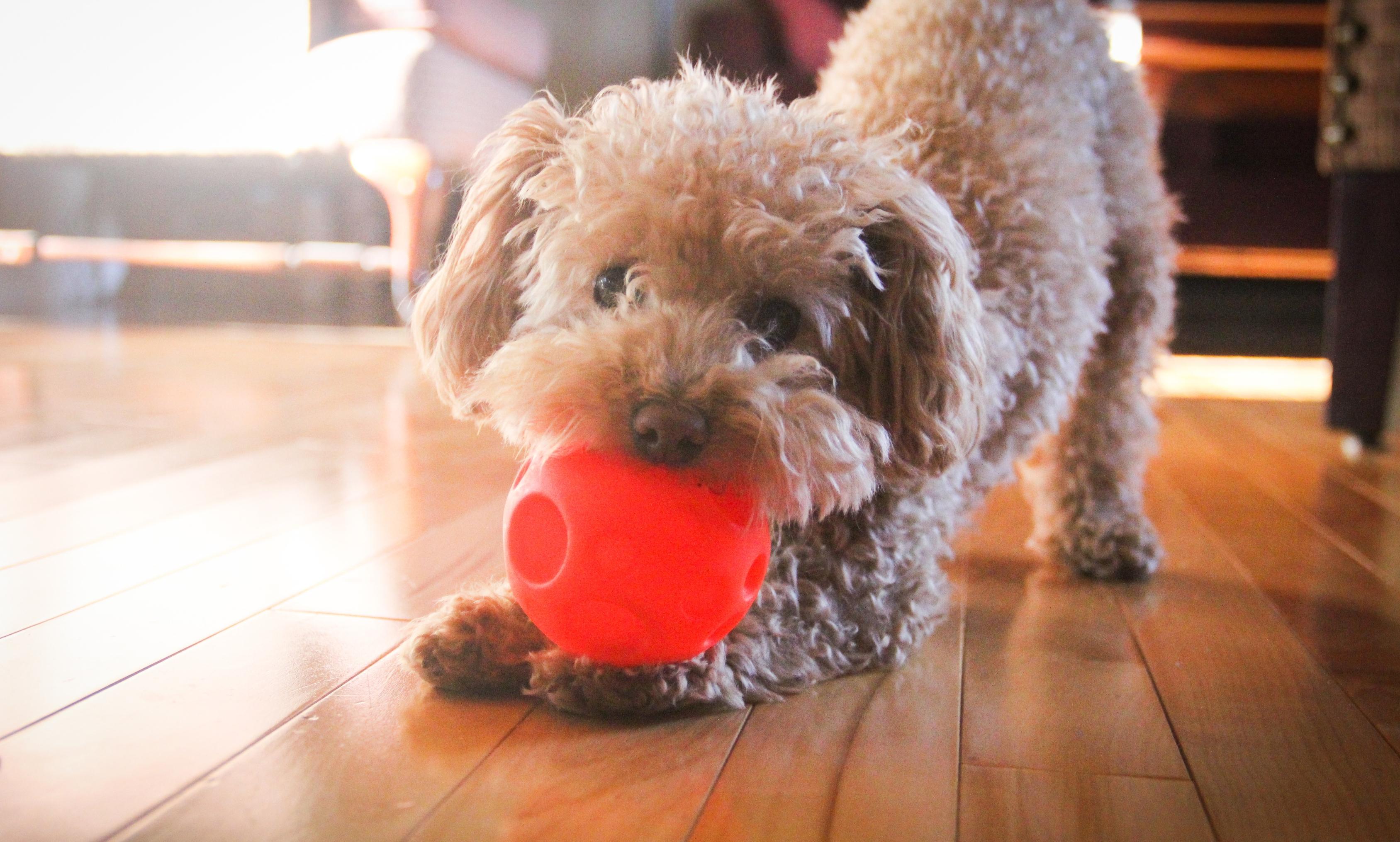
People underestimate poodles constantly. The fancy haircut is misleading. Poodles (standard, miniature, and toy poodles alike) are among the most intelligent dog breeds on the planet, originally bred in Germany as water retrievers who had to problem-solve in the field alongside hunters.
That working heritage shows up in training. They pick up commands fast, retain them well, and genuinely enjoy the process. Toy poodles in particular are a great option for apartment dwellers who still want a highly trainable, mentally sharp dog.
What sets them apart:
- All three sizes share the same high intelligence and trainability
- Thrives in obedience competitions and dog sports
- Highly food-motivated and eager to please personality
- Hypoallergenic coat is a practical bonus for allergy-prone families
Best for: First-time owners, families, apartment dwellers, competitive obedience enthusiasts.
4. Golden Retriever
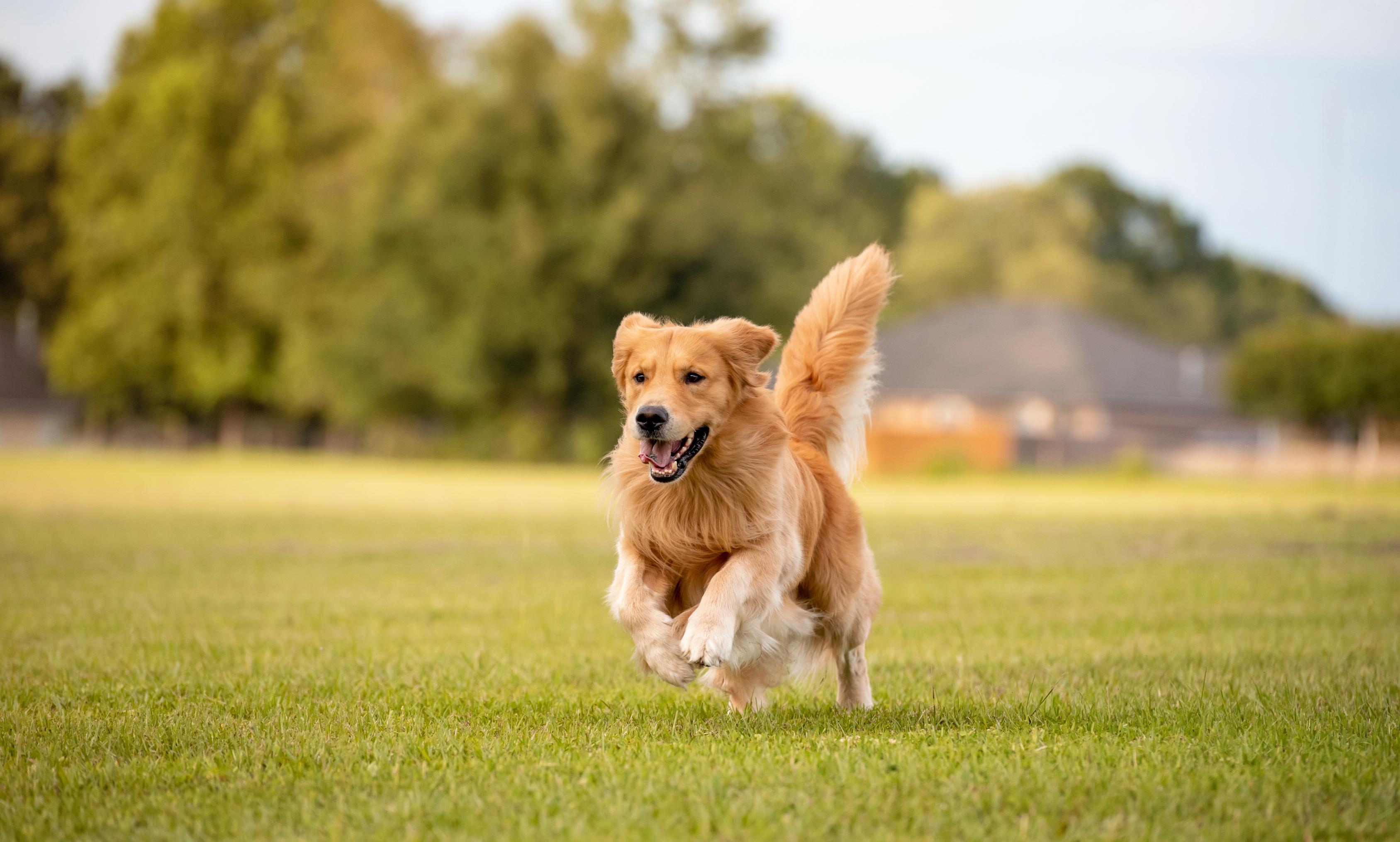
Golden retrievers have built one of the strongest reputations in the dog world, and it’s completely deserved. They are excellent family pets, deeply patient, and almost constitutionally incapable of holding a grudge against their owner.
Their eager-to-please personality makes positive reinforcement almost effortless. Goldens are among the most popular dog breeds in the U.S. for a reason: they fit naturally into family life without requiring the management intensity that working breeds demand.
What sets them apart:
- Gentle enough for homes with young children
- Naturally suited for service dog roles, therapy work, and search and rescue
- Responds exceptionally well to reward-based training
- One of the best options for puppy training from an early age
Best for: First-time owners, families with kids, service dog candidates.
5. Labrador Retriever
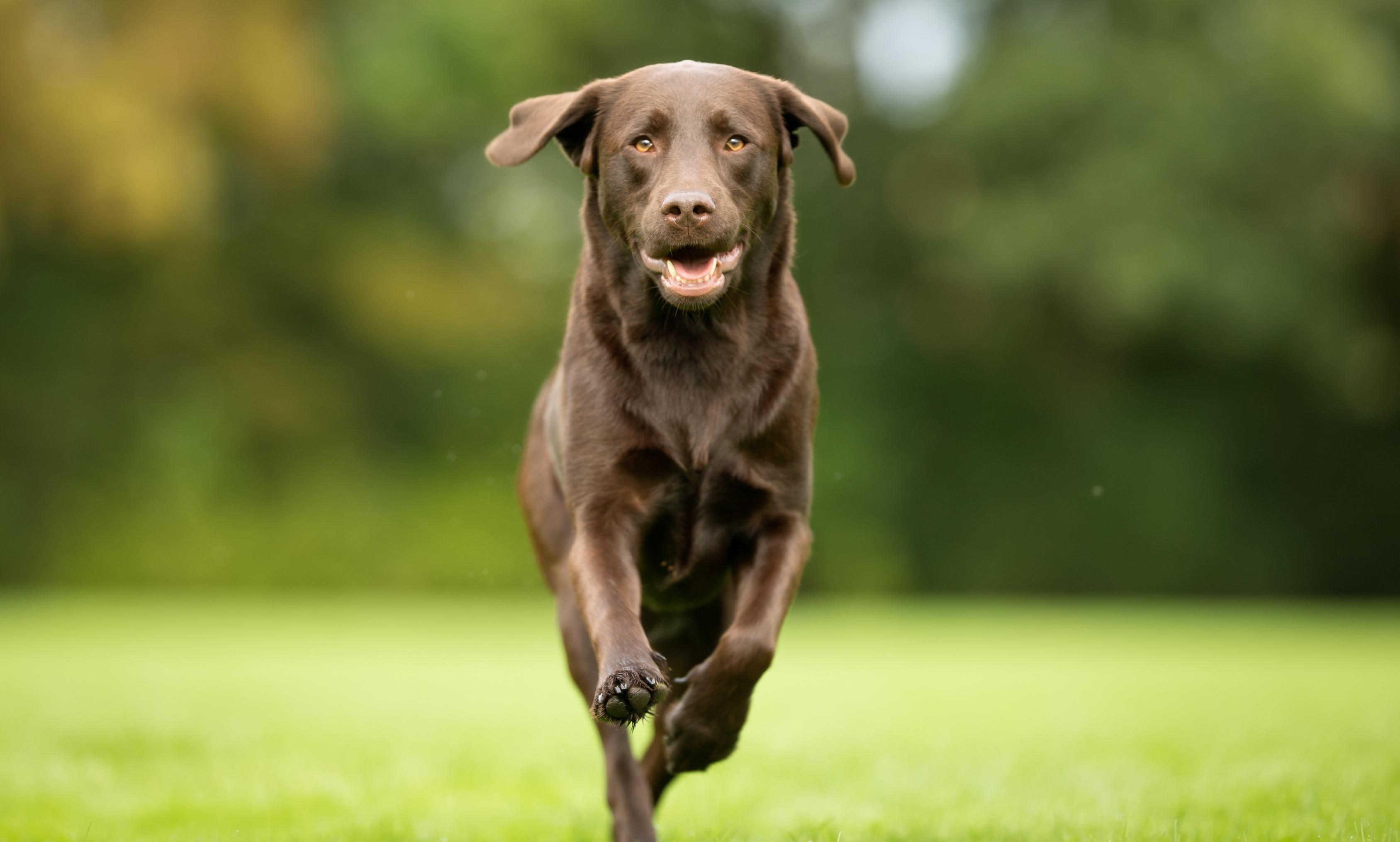
Year after year, the Labrador Retriever ranks as one of the most popular dog breeds in America. It’s not a coincidence. Labs combine intelligence, a powerful food drive, and an almost tireless enthusiasm for working with people.
They are highly food-motivated, which makes obedience training faster and more responsive compared to many other breeds. Labs also generalize commands well, meaning they can follow instructions in different environments without needing to relearn everything from scratch.
What sets them apart:
- Among the most highly food-motivated breeds
- Excels as service dogs, detection dogs, and therapy animals
- Adapts well to both family life and working roles
- Friendly with other dogs, strangers, and children
Best for: First-time owners, active families, working dog programs.
6. Australian Shepherd
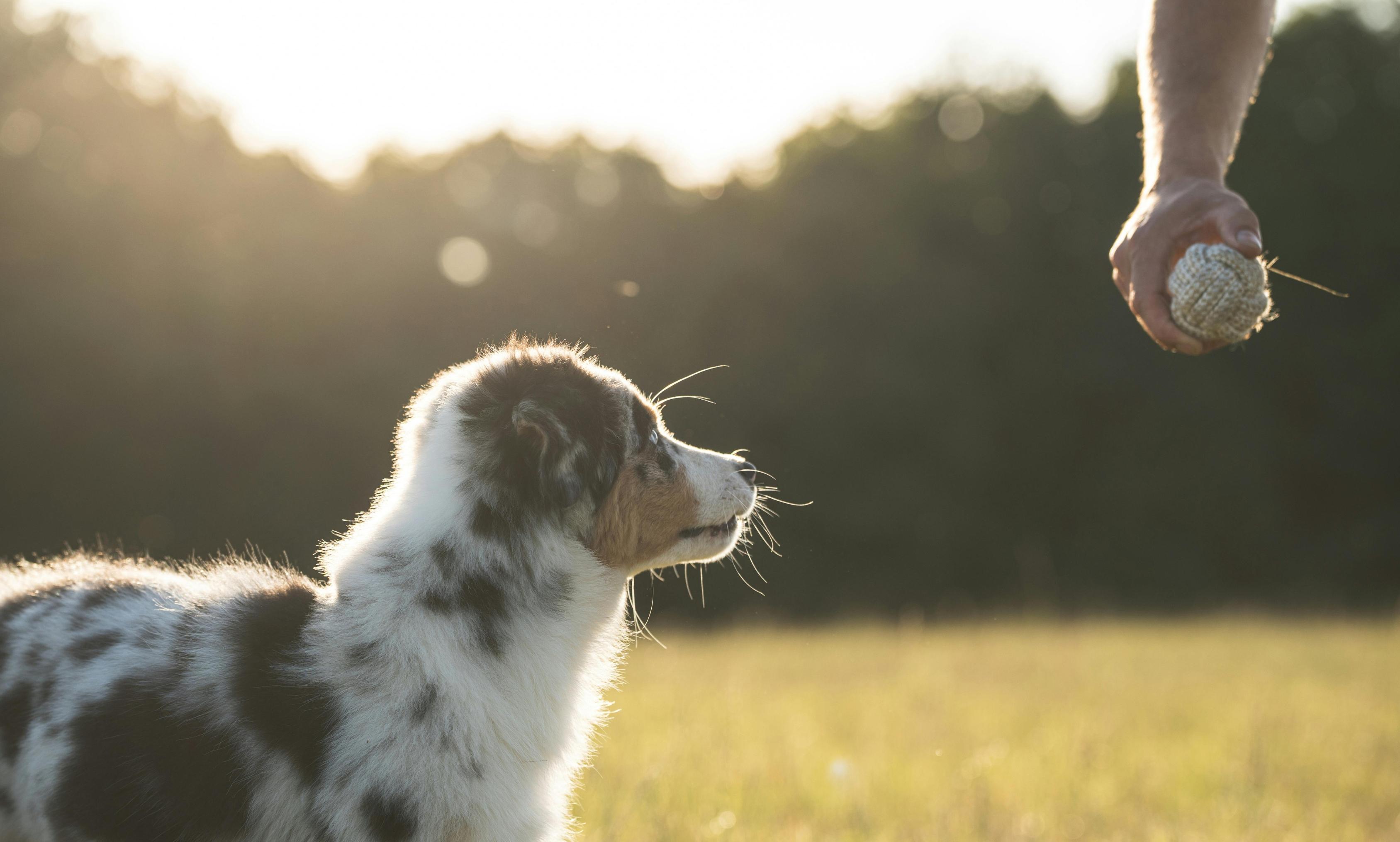
Don’t let the name fool you; the Australian Shepherd was actually developed in the American West as a herding dog for ranchers. This herding breed is athletic, highly intelligent, and wired for constant activity.
Aussies thrive when they have a task. They are quick learners who absorb basic commands and advanced skills with equal enthusiasm. They also excel on agility courses and in competitive obedience settings. That said, their intelligence can work against an inexperienced owner; a bored Australian Shepherd will find ways to entertain itself, and you probably won’t enjoy those ways.
What sets them apart:
- Exceptional agility and herding instinct
- Consistent winners in dog sports and obedience competitions
- Strong bond with their primary handler
- Needs daily physical and mental stimulation without exception
Best for: Active owners, experienced handlers, those with space and time to commit.
7. Doberman Pinscher
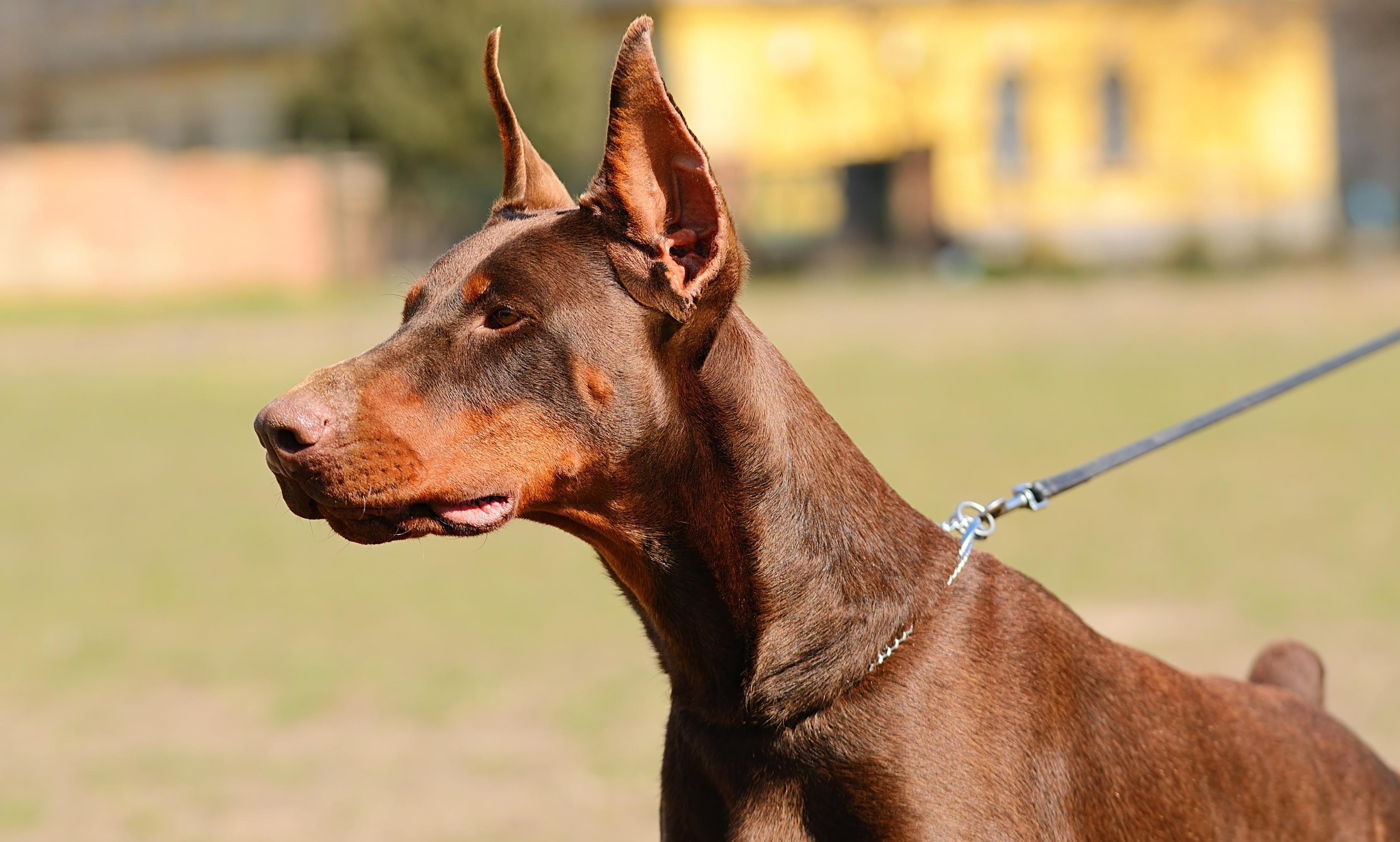
The Doberman Pinscher is one of the most misunderstood breeds in the dog world. Yes, they were originally bred as protection dogs. Yes, they are alert, powerful, and naturally territorial. But in the right hands, with the right training, a Doberman is also deeply loyal, highly intelligent, and one of the most responsive working dogs you’ll find.
They absorb commands quickly and retain training well, which is why Dobermans are frequently used as guard dogs, personal protection dogs, and even service animals. Early socialization is non-negotiable with this breed.
What sets them apart:
- Extremely responsive to structured, reward-based training
- Natural protective instincts that can be properly channeled
- Bonds intensely with their owner and family
- Highly food motivated with sharp retention of learned behaviors
The catch: Dobermans need firm, experienced leadership. They’re not an ideal breed for passive or inconsistent owners.
Best for: Experienced handlers, those seeking a personal protection dog.
If you’re looking at a Doberman specifically for protection, check out Shultz K9’s trained protection dogs for sale. Each dog is fully developed with real-world reliability built in.
8. Shetland Sheepdog (Sheltie)
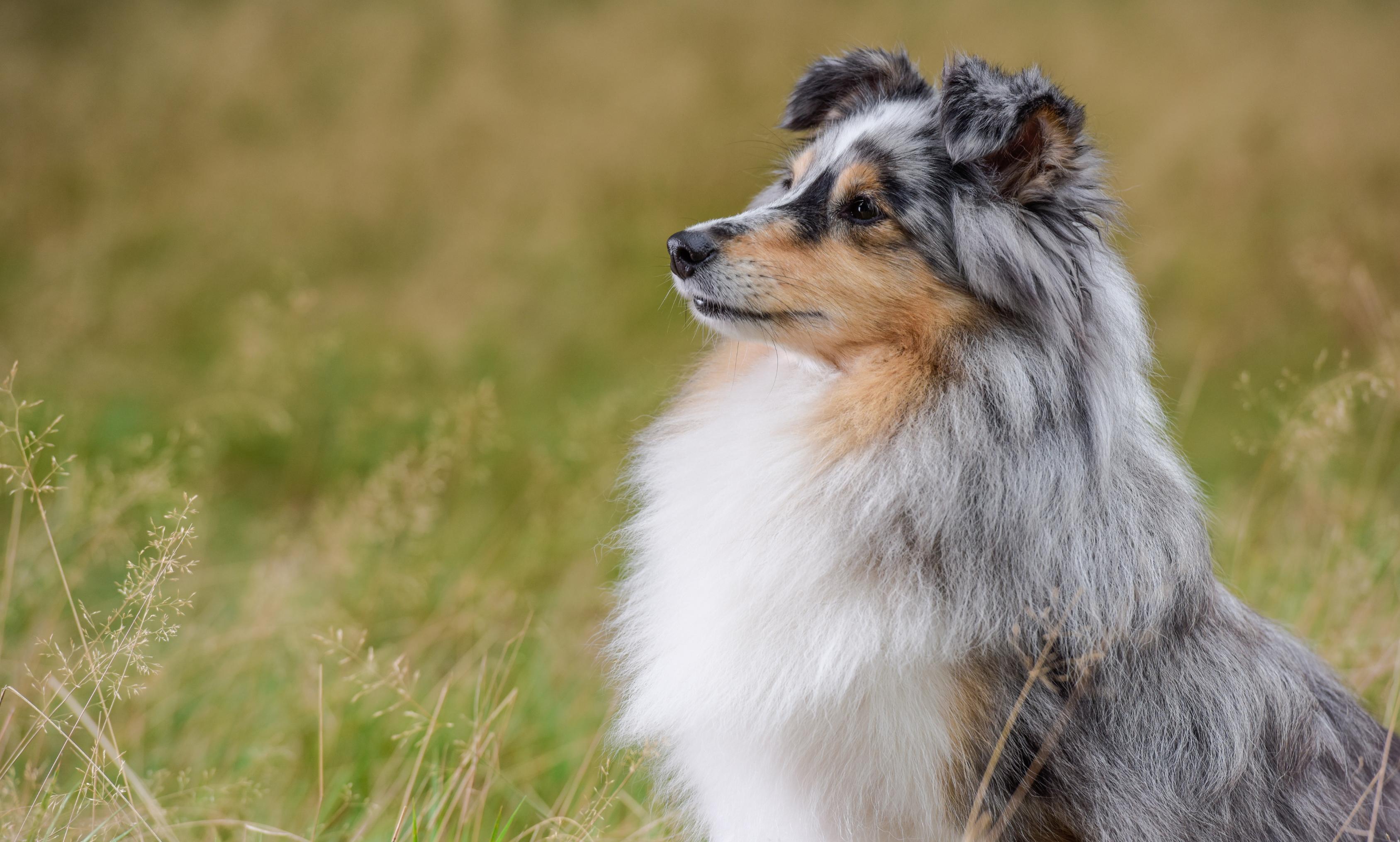
The Shetland Sheepdog, or Sheltie, is essentially a Border Collie in a smaller, more apartment-friendly package. This herding breed was developed in Scotland’s Shetland Islands and has a remarkable sensitivity to human emotion and communication.
Shelties are among the most eager to please of all the intelligent dog breeds. They read body language with an almost eerie accuracy and respond beautifully to positive reinforcement. They also consistently perform at the top of obedience competitions and agility training events.
What sets them apart:
- Extraordinary sensitivity to their owner’s tone and body language
- Excellent at both basic and advanced obedience
- Lower physical demand than Border Collies or Aussies
- Great option for families who want a highly trainable small dog
Best for: First-time owners with some patience, families, and competitive obedience enthusiasts.
9. Australian Cattle Dog
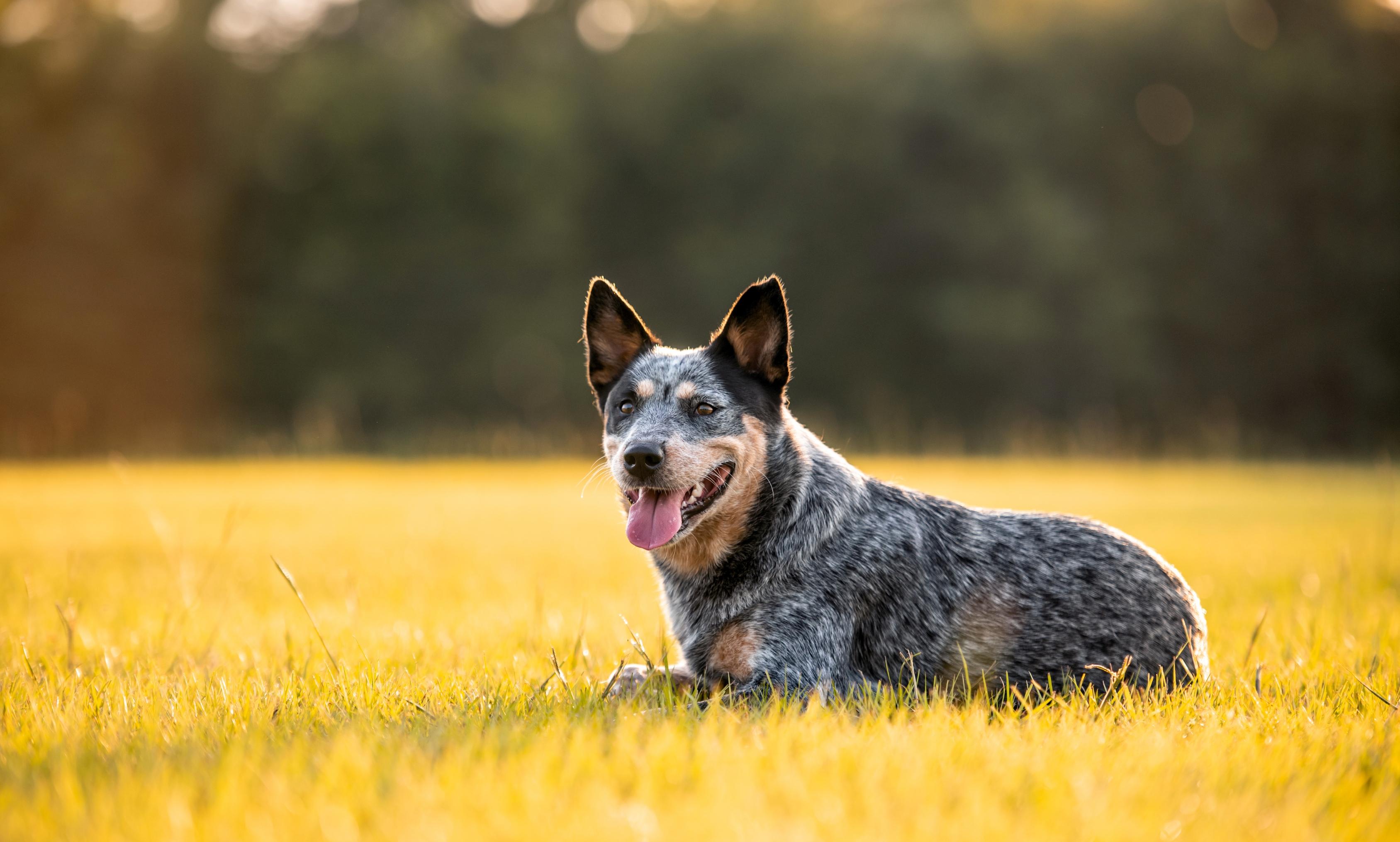
The Australian Cattle Dog (also known as the Blue Heeler or Red Heeler) is a working machine. Originally bred to herd cattle across massive distances in tough conditions, this breed has endurance, intelligence, and sheer stubbornness baked into its genetic heritage.
These are extremely highly trainable dogs, but they operate on their own terms more than most on this list. They’re independent thinkers. That quality made them excellent cattle herders, but it also means they need an owner who establishes clear authority from day one.
What sets them apart:
- Incredible endurance and drive
- Highly intelligent with strong problem-solving instincts
- Responds well to consistent training with a firm, experienced hand
- Thrives with a daily job or structured activity
The catch: Australian Cattle Dogs are one of those breeds where the owner’s experience level directly determines the outcome. Without structure, they become a challenge.
Best for: Experienced handlers, active owners, working dog applications.
10. Papillon
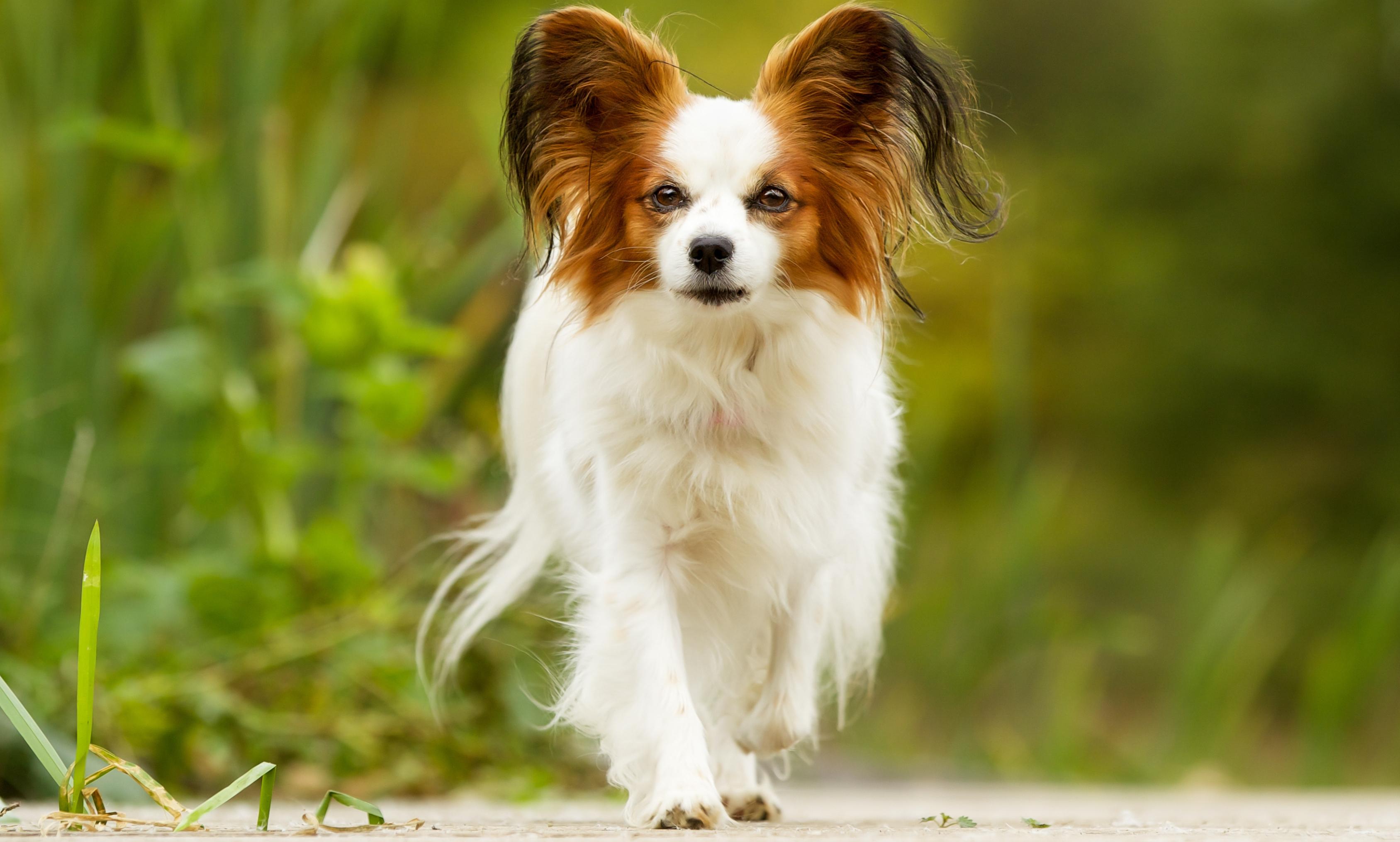
The Papillon is the surprise on this list. Named for their distinctive butterfly-like ears, these small dogs carry none of the limitations that often come with toy breeds. They are sharp, fast learners who regularly outperform much larger dogs in obedience trials and agility competitions.
What the Papillon lacks in size, it makes up for in focus and people-orientation. They are highly food motivated, eager to please, and love the mental stimulation that structured training provides. If you want a small dog with the heart and brain of a working dog, the Papillon delivers.
What sets them apart:
- Top-tier obedience and agility performance for their size
- Very responsive to positive reinforcement
- Low physical maintenance compared to high-energy working breeds
- Ideal for owners who want a highly trainable small companion
Best for: First-time owners, apartment dwellers, competitive obedience enthusiasts.
First-Timer vs. Experienced Handler: Which Breed Fits You?
Breed trainability and owner readiness are two separate things. The easiest dog breeds to train are only easy in the right hands. Pair a high-drive working dog with a passive or inconsistent owner, and you’ve created a problem nobody wants.
Here’s a straightforward breakdown:
Best breeds for first-time owners:
- Golden Retriever: Forgiving, patient, and enthusiastic, regardless of your skill level
- Labrador Retriever: Highly food motivated, easy to read, and genuinely eager to please
- Poodle: Adaptable across all sizes, smart without being demanding
- Shetland Sheepdog: Sensitive and people-focused, responds well to calm leadership
- Papillon: Small, sharp, and easy to manage for owners with limited space or experience
Best breeds for experienced handlers:
- Border Collie: Needs an owner who can match its intelligence and energy daily
- German Shepherd: Requires confident, structured leadership from the start
- Doberman Pinscher: Thrives under firm, experienced guidance with clear expectations
- Australian Shepherd: Smart enough to exploit any gap in your consistency
- Australian Cattle Dog: Independent-minded and built for a handler who means business
A mixed breed can also be an excellent option, especially if you know the parentage. Many mixed-breed dogs inherit the trainability traits of their dominant parent breed without the intensity of a purebred working dog.
If you’re genuinely unsure which breed fits your lifestyle and experience, Shultz K9’s team can walk you through it. We’ve worked with every breed on this list and know firsthand what each one actually demands day-to-day.
Training Mistakes That Derail Even Easy Breeds
Here’s the uncomfortable truth: most training failures aren’t the dog’s fault. The breed gets blamed, but the real issue is almost always what’s happening on the human end of the leash.
These are the mistakes that consistently derail even the most trainable dogs:
- Repeating commands: Saying “sit, sit, sit” teaches your dog that the cue is actually “sit three times.” Say it once. If there’s no response, redirect and reset. Repeating commands trains your dog to ignore the first ask.
- Inconsistency across the household: If one person allows a behavior that another person corrects, your dog gets mixed signals. Dogs don’t rationalize; they pattern-match. Inconsistency creates confusion, and confusion slows everything down.
- Sessions that run too long: Even the most intelligent dog breeds have a ceiling on their attention span. Once your dog becomes non-responsive after an extended session, a short break involving play like tug or fetch can actually help them refocus rather than forcing more repetitions. Keep early sessions short, sharp, and positive.
- Too much freedom, too soon: Many owners mistake freedom for kindness. Allowing full access to the house, furniture, and stimulation before the dog has earned it often leads to pacing, barking, counter surfing, and overexcitement around other dogs and people. Structure is the kindness. It gives your dog clear boundaries to operate within.
- Skipping early socialization: This one compounds over time. A dog that misses proper socialization training in its early months develops fear responses, reactivity, and anxiety that make every aspect of training harder later. It’s far easier to socialize a puppy than to undo a reactive adult dog’s habits.
- Rewarding the wrong things: Many owners inadvertently reinforce bad behavior without realizing it. Letting a dog inside because it’s barking or sliding it food scraps while cooking teaches the dog that those behaviors get attention and rewards. Be deliberate about what actually earns a reward.
When Professional Help Makes All the Difference
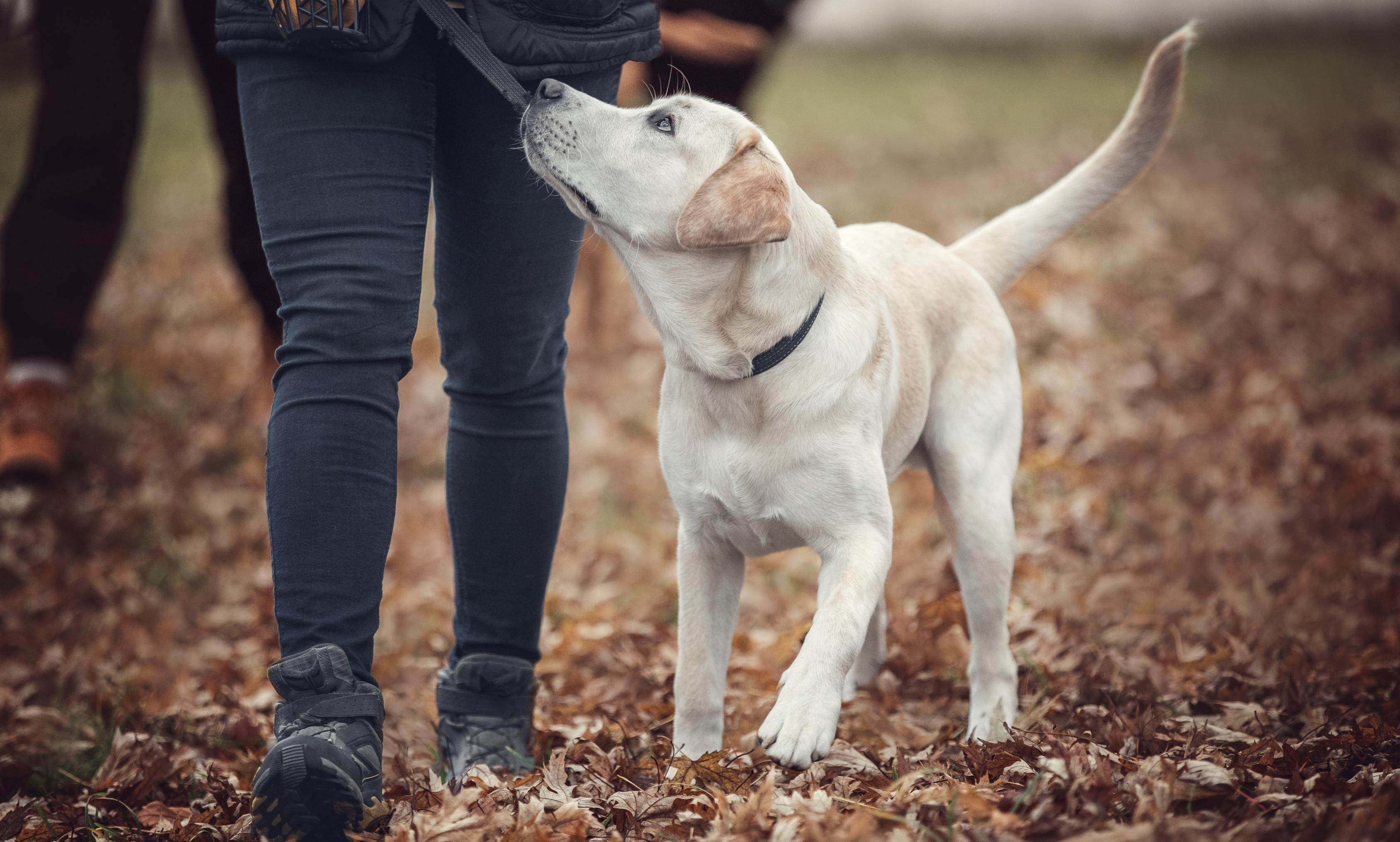
There’s no shame in reaching out for help. Even the easiest dog breeds can develop behavioral patterns that are genuinely difficult to address without proper guidance. In some cases, what looks like stubbornness or a “difficult” dog is actually a training gap that a professional can close in weeks.
You should seriously consider professional training when:
- Basic commands aren’t sticking after weeks of consistent effort
- Your dog shows signs of aggression toward people or other dogs
- Anxiety, reactivity, or fear-based behavior is getting worse, not better
- You’ve adopted an adult dog with an unknown training history
- Your dog’s size or breed means the consequences of poor training are high
For working breed owners especially, professional input isn’t optional; it’s the difference between a dog that performs reliably and one that becomes unmanageable.
Shultz K9 offers a full range of programs built around real-world results, from foundational obedience training and board and train to behavior modification for dogs with more serious issues. Our trainers carry real-world experience from military and law enforcement K9 work, so when they say they’ve seen it all, they mean it.
If you’re not sure where to start, take a look at how to choose the right dog training program for your specific situation.
Your Dog’s Best Training Days Start at Shultz K9
Every dog has potential. The breed gives you a head start, but what you do with it determines everything. Whether you’re bringing home a Labrador puppy or working through a German Shepherd’s adolescence, the fundamentals never change: consistency, structure, and knowing when to ask for help.
Key takeaways:
- Breed matters, but the owner’s consistency matters more
- Herding and sporting breeds are naturally wired to work with humans
- High intelligence does not always mean easy to train
- Early socialization is non-negotiable for any breed
- Short, frequent training sessions outperform long, exhausting ones
- Professional guidance closes gaps that solo training often can’t
The team at Shultz K9 works with every breed on this list, from first-time family dogs to high-drive working breeds that need a serious handler. Backed by real military and law enforcement K9 experience, we know exactly how to bring out the best in your dog, whatever the starting point. If you’re in South Florida and ready to see what your furry friend is truly capable of, get in touch today.
FAQs
What is the easiest dog to have for beginners?
Golden Retrievers, Labrador Retrievers, and Poodles are the best dog choices for beginners. Their dog’s temperament, eagerness to please, and response to basic commands make dog training straightforward.
What is the hardest breed of dog to train?
Chow Chows, Afghan Hounds, and Basenjis are notoriously difficult. Their independent nature and strong will significantly affect trainability, regardless of how smart the individual dogs are.
What is the best dog for lazy owners?
Bichon Frises and Shih Tzus are great family dogs for low-energy owners. Both breeds have calm temperaments, adapt well to indoor life, and don’t demand intense physical activity.
What annoys dogs the most?
Inconsistent rules, repeated commands, and ignored body language frustrate dogs the most. A dog’s ability to stay calm and focused drops sharply when their environment feels unpredictable or unclear.
What are the easiest dog breeds to house train?
Poodles, Border Collies, and German Shepherds are among the easiest intelligent breeds to house train. Their physical attributes, very smart dog instincts, and drive make training classes and potty routines stick fast.
