

Your dog already knows when something’s off. The pacing before a panic attack. The subtle shift before your blood sugar drops. That instinct is real. But turning it into reliable, task-trained service work takes more than good intentions.
This guide covers everything you need to know:
- Legal requirements under the ADA
- How to assess if your dog qualifies
- Step-by-step training process
- Certification and public access standards
- Costs and timelines to expect
At Shultz K9 in Fort Lauderdale, we train service dogs for owners across the country. If you need professional guidance at any stage, we’re here to help.
Legal Requirements Under the ADA
Before you start training, you need to understand what the law actually says. A lot of misinformation floats around online, and getting this wrong can cost you time, money, and access rights.
What the ADA Defines as a Service Dog
Under the Americans with Disabilities Act, a service dog is any dog individually trained to perform specific tasks for a person with a disability. The key word here is trained. If your dog’s only role is to provide comfort or emotional support, it does not qualify as a service animal under the ADA.
That distinction trips people up constantly. So let’s make it clear:
| Service Dog | Emotional Support Animal | |
|---|---|---|
| Task-trained | Yes, for specific disability-related tasks | No specific task training required |
| Public access rights | Full access under ADA | Not protected under ADA |
| Certification required | No federal requirement | ESA letter from a licensed professional |
| Species | Dogs only (miniature horses in limited cases) | Any animal |
What You Don’t Need
The ADA does not require service dogs to be professionally trained. You can train your dog yourself. You also don’t need:
- Certification or registration (no federal registry exists)
- A vest or ID tag (optional, not legally required)
- Medical documentation to bring your dog into public spaces
Businesses can only ask you two questions: (1) Is this a service animal required because of a disability? and (2) What task has the dog been trained to perform? That’s it. They cannot ask about your disability or request a demonstration.
Who Qualifies to Have One
To receive protection under the ADA, you must have a physical or mental impairment that substantially limits one or more major life activities. This includes conditions like PTSD, epilepsy, diabetes, mobility impairments, severe anxiety disorders, and more.
Pro tip: If you’re unsure whether you qualify, speak with your physician or a licensed mental health professional before investing months into training.
At Shultz K9, we work with owners navigating this exact process. Our Fort Lauderdale team can help you understand whether service dog training is the right path for your situation.
How to Assess if Your Dog Qualifies
Not every dog is cut out for this work. And that’s okay. Recognizing it early saves you months of frustration and thousands of dollars in wasted dog training.
The best service dog candidates share a specific set of traits. Breed matters less than you think. What matters more is temperament, health, and trainability.
The Core Traits to Look For
Before you invest in service dog training, run your dog through this honest checklist:
| Trait | What to Look For | Red Flag |
|---|---|---|
| Temperament | Calm, confident, recovers quickly from surprises | Fearful, reactive, easily startled |
| Focus | Locks onto you in distracting environments | Constantly scanning for squirrels, people, food |
| Socialization | Comfortable around strangers, kids, other animals | Growling, lunging, hiding, excessive barking |
| Health | Sound body, good joints, no chronic conditions | Hip dysplasia, vision issues, chronic pain |
| Age | Ideally, 6 months to 2 years for starting training | Over 5 with no prior obedience foundation |
| Drive | Eager to work and learn new things | Low motivation, disinterest in treats or toys |
Record your dog in new environments. Video reveals body language you often miss in real time. Look for lip licking, yawning, tucked tails, or whale eye. These stress signals tell you more than any formal temperament test.
Breeds That Excel (And Surprises)
Labrador Retrievers, Golden Retrievers, and Standard Poodles dominate the assistance dogs world for good reason. They were bred for cooperation, focus, and resilience.
But they’re not your only options. German Shepherds, Collies, and even some mixed breeds can become strong service dog teams when they have the right temperament foundation. The ADA places zero breed restrictions on what qualifies as a dog or a service animal.
When Your Dog Might Not Be the One
Here’s what nobody wants to hear. Roughly 50-60% of dogs that enter formal service dog programs wash out. That number drops significantly when the right dog is selected upfront, but it proves a critical point: not every good pet makes a good working dog.
Watch for these deal-breakers:
- Persistent fear or anxiety in unfamiliar settings
- Reactivity toward other dogs or strangers
- Inability to settle in calm environments for extended periods
- Aggression of any kind, even if it seems “minor”
Step-by-Step Training Process
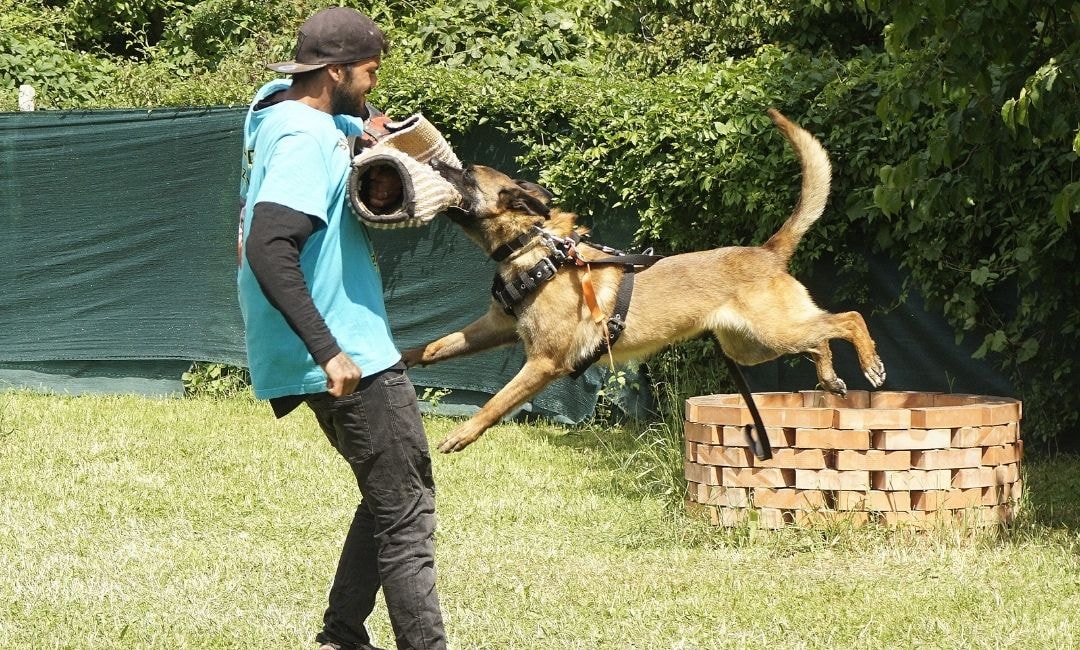
So your dog passed the temperament check. Now the real work begins.
Training your own service dog typically takes 1 to 2 years of consistent, structured work. That’s not a weekend project. It’s a lifestyle shift. But the payoff is a bond and a level of customization that no program dog can replicate.
Whether you’re going the self-training route or partnering with a professional trainer, the process follows the same general progression.
Phase 1: Foundation Obedience (Months 1-3)
Every legitimate service dog team starts here. Your dog needs to master these commands reliably before moving forward:
- Sit / Down / Stay (with duration and distance)
- Come (even with distractions)
- Heel (loose-leash walking at your pace)
- Leave it / Drop it
- Look / Focus (sustained eye contact on command)
Keep sessions short. Fifteen minutes of focused work beats an hour of sloppy repetition. Aim for 3-5 sessions per day using positive reinforcement.
Pro tip:The “focus” command is the most underrated skill in all of dog training. A dog that can lock eyes with its service dog handler in a crowded grocery store is a dog that can perform tasks under pressure. Build this one early and practice it constantly.
Phase 2: Socialization and Exposure (Months 2-6)
This phase runs alongside obedience and is where many service dog candidates fail. Your dog needs to remain neutral and calm in environments most pets never experience.
Build exposure gradually:
- Quiet environments first, like empty parks and low-traffic sidewalks
- Pet-friendly stores during off-peak hours (hardware stores work great)
- Busier retail settings like outdoor shopping areas
- High-stimulation environments like malls, restaurants, and grocery stores
The goal is not for your dog to love everyone and everything. It’s for your dog to be completely unbothered. Assistance dogs don’t greet strangers. They don’t sniff merchandise. They don’t react to dropped food or sudden loud noises.
This distinction separates therapy dogs from service dogs. Therapy dogs are trained to be social and interactive. Service dogs are trained to ignore everything except their handler.
Phase 3: Task-Specific Training (Months 4-12)
This is where your dog transitions from “well-trained pet” to “working service animal.” The tasks you teach must be directly related to your disability. That’s what makes a dog a service animal under ADA guidelines.
Here are some common task categories for psychiatric service dogs and physical assistance dogs:
| Disability | Example Tasks |
|---|---|
| PTSD / Anxiety | Deep pressure therapy, nightmare interruption, and blocking in crowds |
| Diabetes | Blood sugar alert, retrieving glucose kit |
| Seizure disorders | Pre-seizure alert, activating emergency device, staying with handler |
| Mobility impairment | Bracing for balance, retrieving dropped items, and opening doors |
| Hearing impairment | Alerting to alarms, doorbells, and approaching traffic |
Break every task into small, trainable steps. If you’re teaching retrieval, for example, start with “hold,” then “pick up,” then “bring,” then “place in hand.” Master each step before chaining them together.
Pro tip:Practice tasks when you’re actually experiencing symptoms, not just in calm training conditions. A dog that can perform tasks perfectly in your living room but freezes during a real episode isn’t ready. Gradually introduce real-world pressure so your dog learns to respond when it truly counts.
Phase 4: Public Access Training (Months 8-18)
Public access training is where everything comes together. Your dog needs to perform tasks, maintain composure, and stay under your control in any public setting.
Before taking your dog into non-pet-friendly locations, make sure they can:
- Settle quietly under a table or beside your chair for 30+ minutes
- Ignore food, other animals, and people completely
- Walk calmly through automatic doors, over grates, and on different surfaces
- Ride elevators and escalators without hesitation
- Remain focused on you despite high levels of distraction
You don’t need a service dog ID, a vest, or a certified service dog certificate to access public spaces. But many service dog handler teams choose to use a vest simply to reduce confrontations and keep well-meaning strangers from petting their dog while working.
Keep in mind: the Fair Housing Act and the Air Carrier Access Act have their own rules that may differ from ADA guidelines when it comes to housing and air travel with assistance dogs. Research both if your service dog will live in rental housing or fly with you.
Self-Training vs. Professional Help
You have every legal right to train your own service dog. But doing it alone is hard. Even experienced dog owners underestimate the level of precision required for legitimate service dog teams.
Here’s a quick comparison:
| Self Training | Professional Trainer | |
|---|---|---|
| Cost | $500-$2,000 (supplies, classes) | $5,000-$30,000+ |
| Timeline | 1.5-2.5 years | 6-18 months |
| Flexibility | Train at your own pace | Structured curriculum |
| Bond | Extremely strong handler-dog bond | Varies by program |
| Risk | Higher washout without guidance | Lower with experienced service dog trainers |
A middle-ground approach works well for most people: do the foundational work yourself, then bring in a professional trainer for task training and public access preparation.
At Shultz K9, we offer customized service dog training programs designed for owners who want to be involved in every step. Whether you need help with obedience foundations, behavior modification, or advanced task work, our Fort Lauderdale trainers can build a program around your specific disability needs. And with financing starting at $199/month, professional guidance doesn’t have to break the bank.
A reputable service dog organization will never rush the process or guarantee results in weeks. Real training takes time. If someone promises you a dog certified as a service animal in 30 days, walk away.
Certification and Public Access Standards
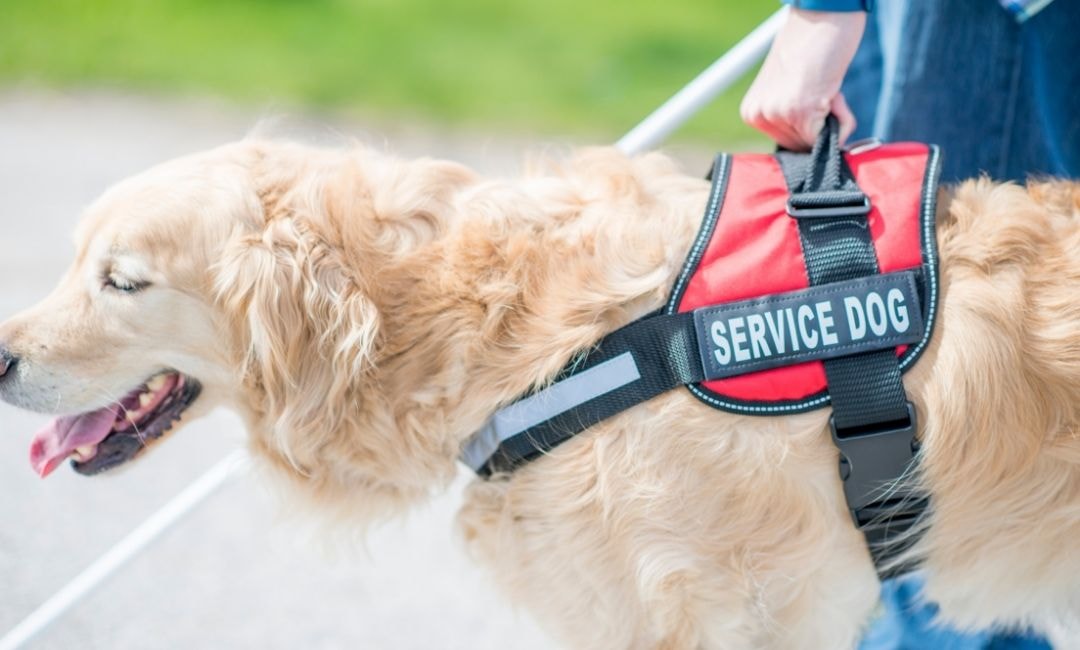
Here’s one of the biggest misconceptions in the service dog world: there is no federally required certification. None. The Department of Justice has made it clear that the ADA does not require documentation, certification, or registration for service dogs.
That surprises most people. But understanding what’s actually required versus what’s recommended will save you from falling for scams and spending money on meaningless paperwork.
The Certification Myth
Dozens of websites will sell you a service dog ID, a certificate, or a registry listing. They look official. Some even come with a laminated card and a badge for your dog’s vest.
They mean nothing under federal laws.
The ADA does not require professional training from a specific program. It does not require your dog to demonstrate its abilities to enter a business. And, no state or local governments maintain an official service dog registry that you must join.
What the law does require is simple: your dog must be trained to perform tasks directly related to a person’s disability. That’s the line that separates a service animal from a companion animal or emotional support dog.
| What’s Required | What’s NOT Required |
|---|---|
| Dog performs at least one task related to the handler’s disability | Certification from any organization |
| Dog is housebroken | Service dog ID card or papers |
| Dog is under the handler’s control at all times | A vest, harness, or special gear |
| Dog does not behave aggressively | Registration in any database |
Pro tip:While not the ADA’s requirement, getting a voluntary public access test is still highly recommended. It gives you documented proof that your dog is properly trained, which can be invaluable if you ever face a legal dispute.
What a Public Access Test Looks Like
A public access test evaluates whether your service dog teams can operate safely and calmly in real-world settings. Organizations like the International Association of Assistance Dog Partners (IAADP) recommend a minimum of 120 hours of training over six months before testing.
Most tests evaluate these core public access skills:
- Controlled vehicle exit (dog waits for your command before exiting)
- Calm building entry (no pulling, no lunging, no soliciting attention)
- Heeling through crowds (staying within touching distance of the handler)
- Sit and down commands in distracting environments (near food, strangers, other dogs)
- Recall on leash (six-foot recall with prompt response)
- Settling under a table for extended periods without fidgeting
- Ignoring food placed on the ground or at table level
To pass, your service dog should score at least 80% “always” or “most of the time” across all test modules. Any sign of aggression results in automatic failure.
The dog must demonstrate composure in situations that would rattle most pets. We’re talking about automatic doors, elevators, shopping carts, children running past, and even a sterile environment like a medical office. Your dog can’t just tolerate these things. It needs to be indifferent to them.
Service Dogs vs. Therapy Dogs vs. ESAs
This distinction matters more than people realize, and getting it wrong can cause legal headaches. Not all dogs that provide comfort are service animals. Let’s break it down:
| Service Dog | Therapy Dog | Emotional Support Dog | |
|---|---|---|---|
| Trained to perform tasks | Yes | Basic obedience only | No task training required |
| ADA public access rights | Yes | No | No |
| Fair Housing Act protections | Yes | No | Yes |
| Air Carrier Access Act coverage | Yes (with conditions) | No | Limited |
| Who they help | Their specific handler | Multiple people in facilities | Their owner |
Therapy animals visit hospitals, schools, and nursing homes to provide comfort to groups of people. They’re not trained to mitigate a specific person’s disability. A hearing dog, a guide dog, or a psychiatric service dogs are trained for their individual handler. That’s the legal difference.
An emotional support dog provides comfort through its mere presence, but a dog’s mere presence alone doesn’t qualify it as a service animal. The dog must be trained to take a specific action when needed. For example, if your dog senses an anxiety attack coming on and applies deep pressure therapy to help you regulate, that’s a task. If your dog just sits next to you and you feel better, that’s emotional support. Not the ADA’s definition of service work.
This is exactly where a lot of disabled person handlers get tripped up. You might have a mental disability or other mental disability like PTSD, severe depression, or bipolar disorder. Those absolutely qualify. But your dog still needs to perform tasks tied to that condition, whether it’s interrupting self-harm behaviors, grounding you during dissociation, or reminding you to take medication.
Pro tip:Keep a written log of your dog’s trained tasks and how they relate to your handler’s disability. If a business ever questions your access rights, a calm, clear explanation of what your dog performs goes a long way.
At Shultz K9, we help owners prepare for public access testing and understand the differences between service dog requirements and therapy animals certification. Whether you’re training a small dog or a large breed, our Fort Lauderdale trainers can evaluate where your team stands and build a roadmap to get you public-access ready.
Costs and Timelines to Expect
| Training Path | Estimated Cost | Timeline | Best For |
|---|---|---|---|
| Full self-training (DIY) | $1,500 – $5,000 | 18 – 30 months | Experienced dog owners with time |
| Owner-trained with professional help | $5,000 – $15,000 | 12 – 24 months | Most people (recommended) |
| Program-trained dog | $15,000 – $50,000+ | 6 – 18 months (plus waitlist) | Those needing a fully trained dog |
| Pre-trained dog (purchase) | $25,000 – $60,000+ | Immediate to 3 months | Those with urgent needs and a budget |
On average, professional service dog training ranges from $10,000 to $50,000, depending on the complexity of tasks and the organization involved. Dogs that require more intensive training, such as guide dogs and hearing dogs, naturally cost more because of the rigorous training involved.
Those numbers can feel overwhelming. But here’s what they don’t tell you.
The Hidden Costs Nobody Mentions
The price tag on training is just the beginning. Budget for these ongoing expenses too:
- Veterinary care: Routine checkups, vaccinations, emergency visits ($500 – $2,000+ per year)
- Food and supplements: High-quality nutrition for a working dog ($600 – $1,200 per year)
- Gear: Harnesses, leashes, vests, and task-specific equipment ($100 – $500)
- Insurance: Pet insurance for a working dog ($300 – $800 per year)
- Maintenance training: Ongoing sessions to keep skills sharp ($200 – $1,000 per year)
- Replacement costs: Service dogs typically work 8-10 years before retirement
A properly trained service dog is a medical tool. And like any medical tool, it requires consistent upkeep. Skipping veterinary care or letting training slide doesn’t just hurt your dog. It puts your access rights at risk if your dog’s behavior slips in public.
Why the Timeline Takes So Long
People always ask why it can’t be done faster. Here’s why.
Not all dogs mature at the same rate. A dog friendly toward everyone at 8 months might develop reactivity at 14 months during adolescence. Psychiatric service dogs need time to learn their handler’s unique physiological and emotional patterns. A dog trained to detect an anxiety attack or alert to a mental disability needs hundreds of repetitions in real-world conditions before that behavior becomes reliable.
All training stages together take at least 2 years to complete. Some service dog teams take longer due to illness, schedule limitations, or behavioral setbacks. Rushing creates dogs that look trained in controlled settings but fall apart when you need them most.
Here’s a realistic timeline breakdown:
- Months 1-3: Foundation obedience and early socialization
- Months 2-6: Environmental exposure and distraction training
- Months 4-12: Task-specific training for the person’s disability
- Months 8-18: Public access training in progressively challenging settings
- Months 18-24: Refinement, testing, and real-world proofing
How to Actually Afford It
You don’t need to pay everything upfront. Several paths can reduce the financial burden:
- Nonprofit grants: Organizations like Assistance Dogs International and IAADP connect disabled person applicants with funding sources for assistance dogs
- Veteran programs: Free or subsidized service dogs through organizations like Paws With A Cause
- Tax deductions: Service dog expenses related to mental illnesses or physical disabilities may qualify as medical deductions (consult a tax professional)
- Crowdfunding: Platforms like GoFundMe have helped thousands of handlers fund their service dog training
- Payment plans: Many professional training programs offer monthly installments
And this is where financing can make a real difference. At Shultz K9, we offer financing plans starting at $199/month to make professional training accessible. Whether you need help with obedience foundations, behavior modification, or full-service dog training, our team works with you to build a program that fits your budget and timeline. You don’t have to choose between quality and affordability.
Pro tip: Avoid any organization that charges high blood pressure-inducing fees for a “certified service dog” certificate or a service dog ID card. These are not recognized by any federal laws and are almost always scams targeting people who don’t know the service dog requirements. Invest your money in actual training, not paperwork.
Ready to Train Smarter With Shultz K9 by Your Side?
Turning your dog into a service animal is one of the most rewarding things you’ll ever do. It’s also one of the hardest. But with the right knowledge, realistic expectations, and a solid training plan, you can build a working partnership that genuinely changes your daily life.
Key takeaways:
- The ADA does not require certification, registration, or a vest
- Your dog must perform at least one task tied to your disability
- Temperament matters more than breed
- Training takes 1-2 years of consistent, structured work
- A public access test is voluntary but strongly recommended
- Budget for ongoing costs beyond initial training
Whether you’re just exploring the idea or you’re mid-training and hitting a wall, Shultz K9 in Fort Lauderdale works with service dog teams at every stage. Our trainers can assess your dog, build a custom training plan around your needs, and help you get public-access ready. Reach out to us or call (954)-552-4282 to get started.
Frequently Asked Questions
What conditions qualify for a service dog?
Any physical or mental impairment that substantially limits one or more major life activities. This includes PTSD, epilepsy, diabetes, blindness, mobility impairments, severe anxiety disorders, depression, autism, and hearing loss. The ADA promotes an expansive definition of “disability” to help as many people as possible. Talk to your physician or mental health provider if you’re unsure whether your condition qualifies.
How much does it cost to train my dog to be a service dog?
It depends on your training path. Owner-training with professional support typically runs $5,000 to $15,000. A fully program-trained dog costs $15,000 to $50,000+. DIY self-training is the cheapest route at $1,500 to $5,000, but carries a higher risk of washout without expert guidance. At Shultz K9, financing starts at $199/month to help make professional training more accessible.
How hard is it to qualify for a service dog?
Qualifying as a handler isn’t the hard part. If you have a documented disability under the ADA, you’re eligible. The real challenge is the training. The industry-average washout rate sits around 50-60%, meaning not all dogs that start training will finish. The process takes 1-2 years of consistent work, so patience and commitment are the true barriers.
What disqualifies a dog from being a service dog?
Several factors can knock a dog out of the running:
- Aggression toward people or other animals (automatic disqualification)
- Persistent fear or anxiety in public environments
- Inability to focus on the handler around distractions
- Chronic health issues that limit the dog’s ability to work reliably
- Excessive reactivity, like lunging, barking, or pulling on the leash
Not all dogs are meant to be for this work, regardless of breed or how much you love them. If your dog shows these signs consistently, it’s better to recognize it early than to force a path that will frustrate both of you.
