

You love your dog. But that lunge, that growl, that snap at the mailman keeps you up at night, wondering if it’s fixable or just who they are now.
Aggression is rarely “cured” like a cold. It’s managed, redirected, and reshaped, often dramatically. The right approach can turn a reactive mess into a calm, reliable companion. The wrong one makes things worse. This article breaks down exactly where your dog lands on that spectrum.
What we’ll cover:
- What aggression really is (and why it’s not just “bad behavior”)
- The 7 types of aggression, and which respond best to training
- Trained out vs. managed: the honest answer
- A realistic timeline: what progress actually looks like
- When to handle it yourself vs. call a pro
Speaking of pros, that’s where we come in. At Shultz K9, we’ve spent years turning around dogs other people had written off, drawing on real-world experience training canines for military and law enforcement work. We’ve seen nearly every flavor of aggression walk through our doors.
What Aggression Really Is
Aggression is not your dog being “bad,” “dominant,” or “mean.” It’s communication. Specifically, it’s how your dog tells the world, “I feel threatened, and I need space.”
At its core, aggression is threatening, intimidating, or harmful behavior directed at a person or another animal. It surfaces when fear, pain, or a perceived threat pushes your dog past their breaking point. The growl is the symptom. Something underneath is the actual cause.
And here’s the part most owners miss: it rarely comes out of nowhere.
The escalation ladder
Dogs almost always warn you before they bite. The trouble is, we tend to overlook the quiet signals until the loud ones arrive.
| Stage | What you’ll see |
|---|---|
| Early (subtle) | Lip licking, yawning, freezing, looking away |
| Mid (clearer) | Stiff body, hard stare, raised hackles, low growl |
| Late (overt) | Snarling, snapping, lunging, biting |
Think of it like a kettle. The whistle (the bite) only blows after the water’s been heating for a while. Most people just never heard it bubbling.
Pro tip: Punishing the growl is like ripping the whistle off the kettle. You silence the warning, not the heat. A dog who learns growling gets him scolded may skip straight to biting next time.
One more thing worth banking. A sudden shift in an otherwise friendly dog often points to pain or an underlying medical issue, so a vet check is always smart before assuming it’s purely behavioral.
The 7 Types Of Aggression
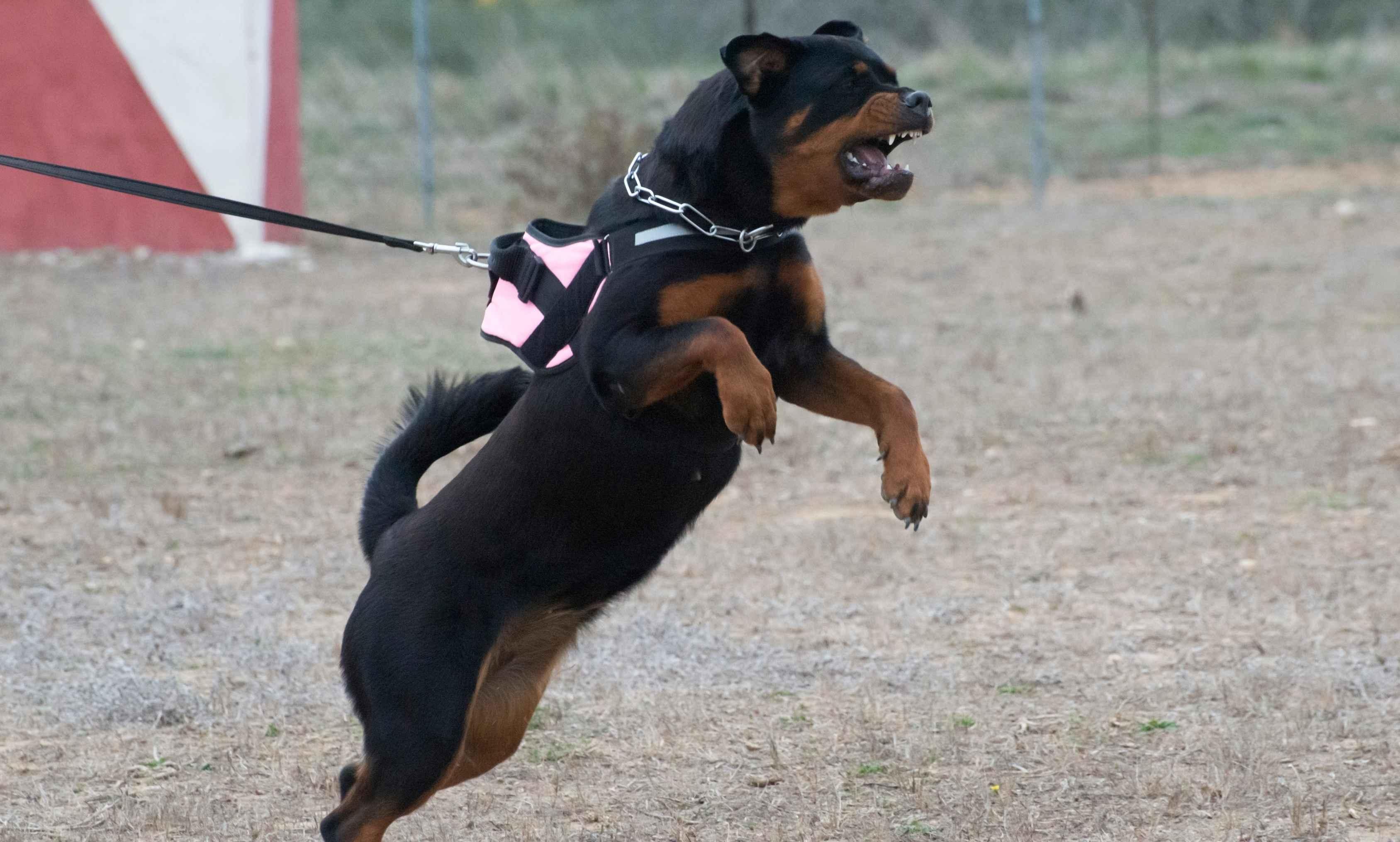
Here’s what most pet parents never hear: dog aggression isn’t one thing. There are seven distinct types, and each one carries a different prognosis. The kind your dog has matters more than almost anything else.
Why? Because the same training that calms a fearful dog can backfire on a resource guarder. Knowing the type tells you the odds.
| Type of aggression | What triggers it | Response to training |
|---|---|---|
| Fear aggression | Perceived threats, poor socialization | Good with proper guidance |
| Territorial aggression | Strangers near “their” space, dogs barking nearby | Good to moderate |
| Protective aggression | Threats to family members or other animals | Moderate to good |
| Possessive (resource guarding) | Food, toys, space | Moderate, needs structure |
| Pain aggression | Injury, illness, being touched | Often resolves once medical issues are treated |
| Maternal aggression | Protecting puppies | Usually fades naturally |
| Predatory | Chasing motion (small dogs, cats) | Poor, hardest to modify |
Notice the pattern? Fear sits at the root of most cases. A reactive dog who lunges at strange dogs is rarely “dominant.” He’s scared, and aggression is his offense-is-the-best-defense play.
Pro tip: Many dogs show more than one type at once. A German Shepherd might pair territorial aggression with fear based aggression. That’s exactly why a one-size template fails, and why a professional dog trainer starts by identifying the root cause before touching a single technique.
The good news? Most dogs fall into the categories with a solid prognosis.
Trained Out Vs. Managed: The Honest Answer
Aggression is rarely erased like a typo. The honest framing among behavior professionals is that aggression gets managed, redirected, and dramatically reduced, not deleted. Think of it less like curing a cold and more like managing a chronic condition. You control it. You don’t always cure it.
But before that sounds bleak, here’s the flip side: management works astonishingly well.
A well-built behavior modification plan can take a dog who once snapped at every visitor and turn him into a calm, behaved dog who settles on his mat instead. The trigger may still register. The reaction changes completely. That’s the win.
What separates “trained out” from “managed”:
- Bite history and severity. A growler has far better odds than a dog with repeat dog bites.
- The root cause. Fear and territorial cases respond well. Predatory drive is hardwired and stubborn.
- Consistency at home. The dog’s behavior shifts only when every household member follows the same playbook.
One hard rule from the research: skip the shock collars and prong tools. Aversive gear, like an e-collar, can suppress the warning signs while leaving the fear underneath untouched, often making aggression worse. Reward-based obedience training and positive reinforcement consistently outperform punishment for reshaping a dog’s behavior.
If you want a realistic read on whether structured help is worth it, this breakdown is a fair place to start.
A Realistic Timeline For Progress
Everybody wants a number. So here’s an honest one, with the asterisk it deserves.
| Severity | Typical timeline to reliable change |
|---|---|
| Mild (occasional, trigger-specific) | 6 to 8 weeks |
| Moderate (consistent aggressive behavior) | 3 to 6 months |
| Severe (bite history, multiple triggers) | 6 months to a year or more |
These are ranges, not promises. Every dog learns at its own pace, shaped by age, breed, history, and how steady you are at home.
Here’s the part that surprises people: progress shows up small first. You won’t wake up to a fixed dog. You’ll notice a calmer walk. One fewer outburst at the window. A half-second pause before the reaction. Those micro-wins ARE the transformation, stacking quietly.
Pro tip: Measure progress by distance and recovery, not perfection. Can your dog see another dog at 30 feet without exploding, when last month it was 60? Does he settle in two minutes instead of twenty? That’s real change, even if the dog park is still a long way off.
The trap to avoid is rushing. Push a fearful dog too fast, and you’ll undo weeks of work in one bad encounter. Slow and steady genuinely wins here. Programs like board and train exist precisely because immersive, consistent structure speeds up that early curve, then hands the routine back to you.
When To Handle It Yourself Vs. Call A Pro
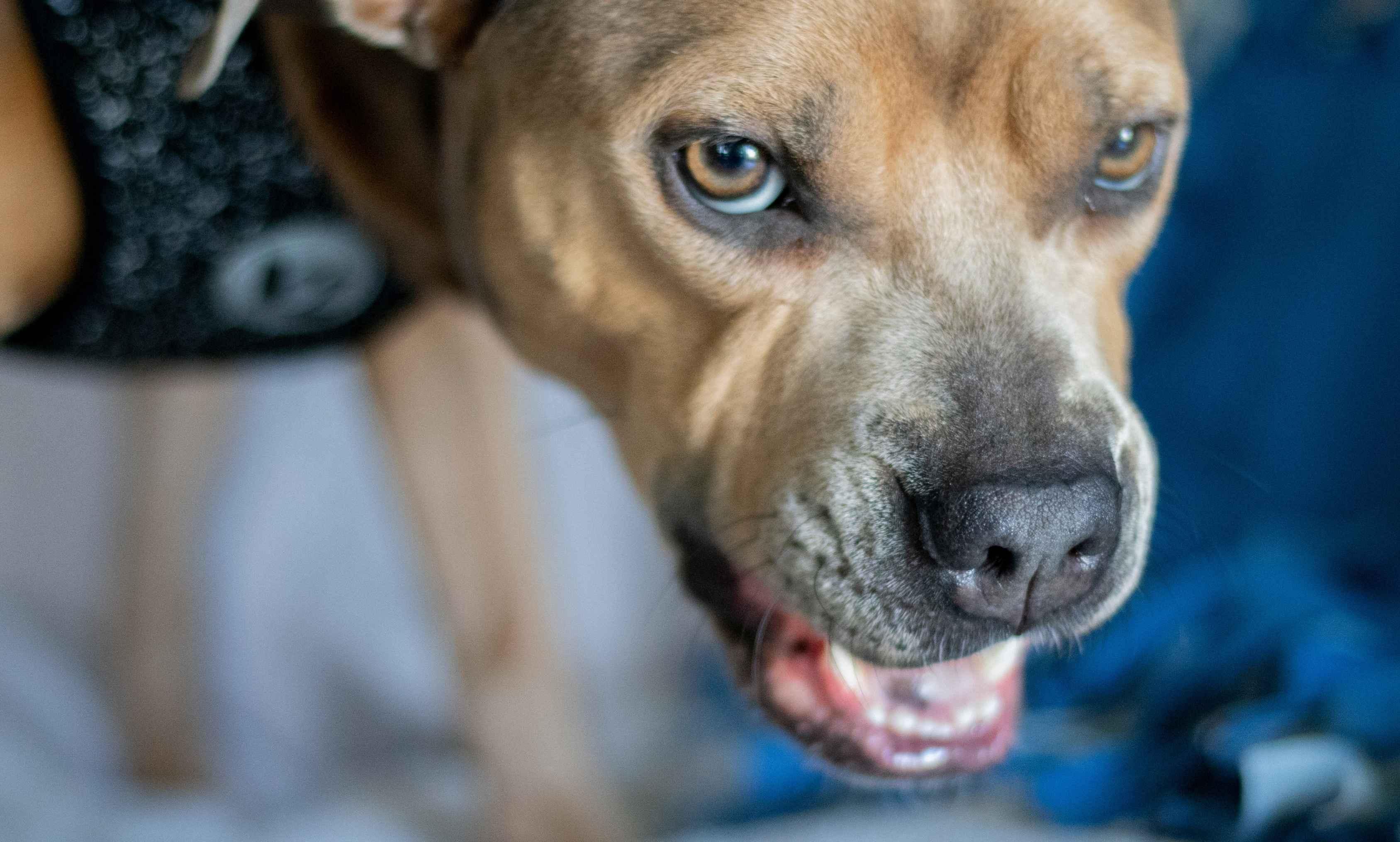
Some behavior issues are weekend projects. Aggression usually isn’t one of them.
You can reasonably DIY the early, low-stakes stuff: building impulse control, reinforcing good behavior, adding mental stimulation, and managing the environment with a baby gate or crate so your dog can’t rehearse the bad habit. Prevention and consistent leadership go a long way on mild cases.
Call in professional help the moment you see any of these:
- Your dog has bitten, or broken skin, even once
- The aggression is escalating or unpredictable
- You feel unsafe managing two dogs or a powerful breed
- Multiple triggers, or fear that bleeds into daily life
- Nothing you try is moving the needle
There’s zero shame in this. Aggression is emotionally charged and physically risky, and most dogs improve faster with a trained eye reading the body language you might miss. A vet check should come first to rule out medical issues, then a qualified trainer or behavior modification specialist builds the plan.
This is exactly the work we do every day. Our aggressive dog training and private training programs are built around your dog’s specific triggers, not a generic script, drawing on years of real-world experience with the toughest cases.
When you’re ready, reach out, and we’ll start with an assessment of where your dog stands.
Is It Too Late To Train My Aggressive Dog?
Short answer? Almost never.
This is the question that haunts dog owners who’ve spent years apologizing for their dog, avoiding the dog park, and bracing every time the doorbell rings. They assume the window slammed shut around puppyhood. It didn’t.
Here’s the reality the experts agree on: age alone does not stop learning. Aggressive dogs of nearly any age can change, because aggressive dog behavior is a learned pattern, and patterns can be reshaped through repetition and reinforcement. You’re not starting from scratch. You’re rewriting a habit.
In fact, older dogs often surprise people. Many bring calmer energy, better focus, and a genuine desire to connect. That makes them strong candidates for aggression training, sometimes easier to work with than a hyper, distractible puppy.
What actually changes with age:
- Pace, not possibility. Progress may run slower, so patience matters more.
- The “untraining” step. Older dogs carry established habits, so dog training often starts by undoing the old response before building the desired behavior.
- Physical accommodations. Senior dogs may need shorter sessions and a check for pain-driven causes first.
Pro tip: Never crank up the pressure to “make up for lost time.” Forceful methods on an older aggressive dog tend to deepen the fear and make things worse. Slow, structured exposure beats speed every single time.
The caveat: a long bite history or a hardwired predatory drive lowers the odds, and that’s exactly when you stop going solo. A skilled professional dog trainer reads the body language you might miss and builds a safe plan around it.
This is bread-and-butter work for experienced aggressive dog trainers. Whether your dog needs focused obedience training or deeper behavior modification, age is rarely the dealbreaker people fear.
Mistakes That Make Aggression Worse
Here’s the gut-punch most pet parents never see coming: you can be trying your hardest and still make things worse. Good intentions, wrong moves. It happens constantly.
The aggression training process only works when you stop feeding the fire. So before we talk fixes, let’s kill the habits that quietly sabotage progress.
The big ones to avoid:
- Punishing the growl. A growl is a warning, not a crime. Punish it, and your dog learns to skip the warning and go straight to dog bites. You don’t want a silent biter.
- Reaching for shock collars or an e-collar. Aversive tools suppress the symptom while leaving fear untouched, and they reliably make aggression worse, not better.
- The dog park gamble. Tossing a reactive dog into a crowd of strange dogs to “socialize” usually backfires. Structured, controlled exposure beats chaos every time.
- Flooding instead of fading. Forcing your dog to face triggers head-on overwhelms them. Slow and incremental wins.
- Inconsistency across the household. If one person enforces rules and another caves, your dog learns nothing except confusion.
Never train when your dog is already over threshold. A dog mid-meltdown is flooded with stress hormones and literally cannot learn. Wait for calm, then work. Trying to teach an agitated dog is like reasoning with someone mid-panic.
One more myth worth retiring: the old “assert dominance” routine. Alpha rolls, scruff shakes, pinning. These don’t build a behaved dog. They build a more defensive, frightened one. Modern aggressive dog training leans on positive reinforcement and structure, not intimidation, because that’s what actually rewires a dog’s behavior.
When the habits stop sabotaging you, real change finally gets room to breathe. If you’d rather not navigate the minefield alone, a certified dog trainer can spot the missteps you can’t.
How Training Rewires Your Dog’s Brain
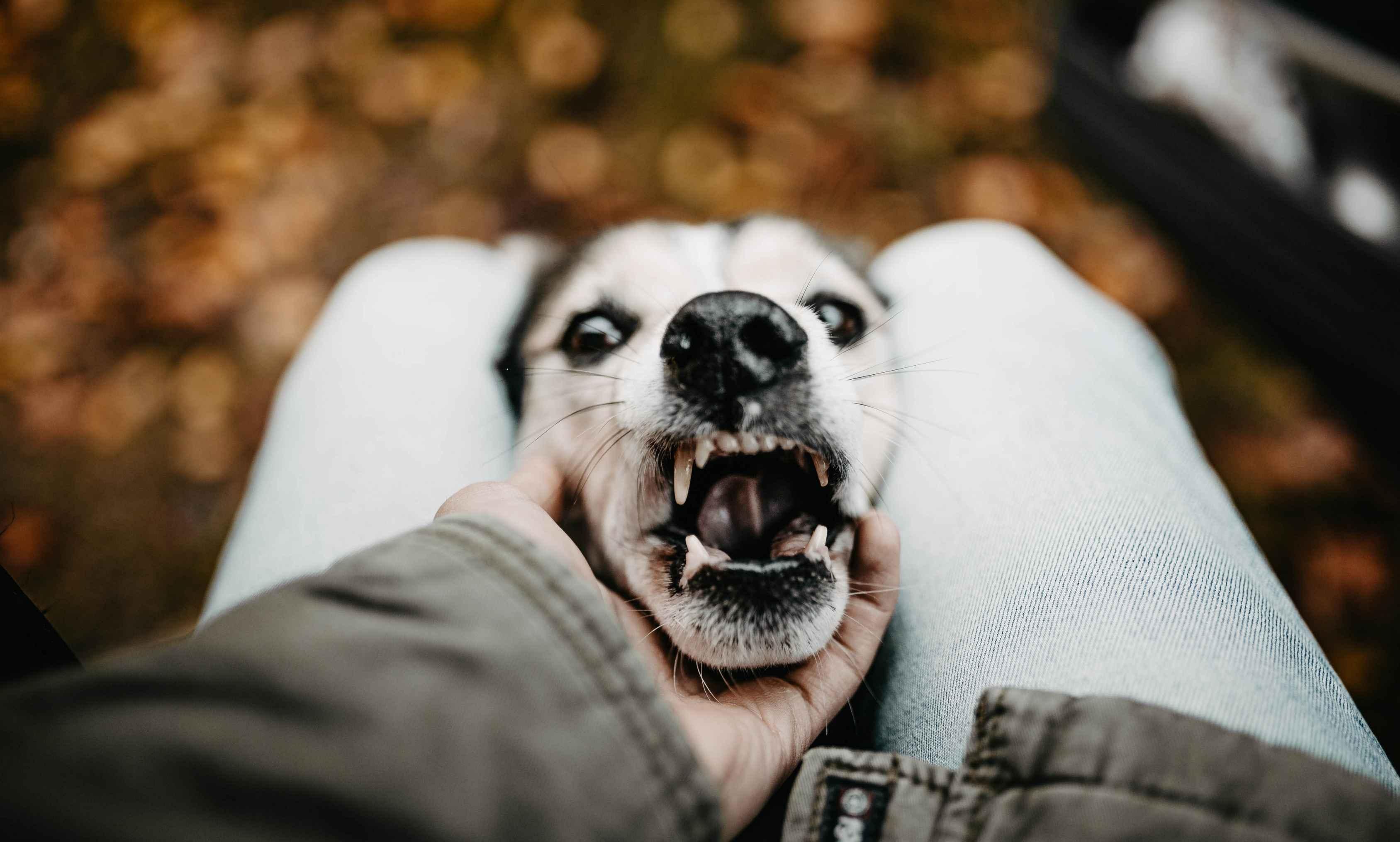
Most owners think dog training “teaches the dog to behave.” That’s only half of it. The deeper goal is changing how your dog feels about the thing that sets him off. Get the emotion right, and the behavior follows.
This is the engine behind every solid behavior modification plan, and it runs on two proven techniques.
| Technique | What it does | Real-world example |
|---|---|---|
| Desensitization | Exposes the dog to a trigger at a safe distance, then slowly closes the gap | A reactive dog watches another dog from 50 feet, calmly, before inching closer over weeks |
| Counter-conditioning | Pairs the scary trigger with something great, flipping the emotional response | Every time your dog sees the mail carrier, treats rain down, so “scary” becomes “good things happen.” |
Run together, these rewrite the script. Your dog stops thinking threat and starts thinking reward. That’s how fear-rooted reactions soften into calm focus.
The pillars that make it stick:
- Impulse control work. Teaching a solid “look at me” or “place” gives your dog a job to do instead of reacting.
- Mental stimulation. A bored dog stews. Puzzle feeders, scent work, and structured play burn the nervous energy that fuels outbursts.
- Daily consistency. Five focused minutes every day beats one marathon session a week.
Always keep your dog under threshold during this work. That means close enough to notice the trigger, far enough to stay calm. Cross that line, and you’re rehearsing the meltdown, not curing it. Distance is your best training tool.
Here’s the encouraging part: this is a repeatable, teachable skill, not magic. The structure is exactly what immersive training programs are built to deliver, then hand back to you so the results outlast the program.
Your Aggressive Dog Isn’t A Lost Cause With Shultz K9
So, can aggression be trained out of a dog? Mostly, it’s managed and reshaped, not erased. But with the right approach, a reactive dog can become calm, reliable, and safe to live with. The type, the timing, and your consistency decide just how far you get.
Key takeaways:
- Aggression is communication rooted in fear, not bad character
- The type of aggression sets the prognosis
- It’s managed, not magically cured, and that’s still a win
- Skip punishment and shock collars; they backfire
- Age is rarely a dealbreaker
- A pro is worth it once bites or escalation appear
When you’re ready for backup, that’s our wheelhouse. At Shultz K9, we build behavior modification plans around your dog’s exact triggers, drawing on years with the toughest cases. Reach out, and we’ll give you an honest read.
Frequently Asked Questions
Can thyroid problems cause aggression in dogs?
Yes. Hypothyroidism can trigger irritability and aggression. Watch for early signs, get bloodwork from a vet, and treatment often improves behavior within weeks.
What training is effective for aggressive dogs?
Positive reinforcement, desensitization, and counter-conditioning work best. Pair structured obedience training with a dog’s exposure to triggers at a safe distance under certified trainers.
How long does it take to train a dog out of aggression?
Mild cases improve in 6 to 8 weeks; severe cases take 6 months or more. Consistency matters more than speed.
How to train a dog to stop having aggressive dog’s behavior?
Identify the trigger, keep your dog under threshold, reward calm behavior, and avoid punishment. For real progress, seek professional dog aggression training.
Do dogs forgive you for yelling at them?
Dogs don’t hold grudges, but yelling erodes trust and can worsen defensive aggression. It makes anxious dogs react aggressively, not less.
What is the best method dog owners can try for dog aggression?
Reward-based behavior modification guided by a qualified dog behaviorist or veterinary behaviorist. It addresses the root cause instead of suppressing warning signs.
Is it ever too late to train an aggressive dog?
Rarely. Older dogs learn too, often with better focus. Many training programs report success stories with seniors. Age is seldom the dealbreaker.
Can an aggressive dog ever be trusted?
Often, yes, within limits. Trust is rebuilt through consistency and managing risk factors. Bite history matters, so always seek professional guidance for serious cases.
Is it too late to train my aggressive dog?
Rarely. Private training and structured help work at any age. Local trainers and experienced aggressive dog trainers can help your dog turn the corner.
